
What Does "FDA Cleared" Mean? (hint: not much at all)
You've heard commercials describe products as "FDA cleared" — but what does that actually mean? Attorney Cohen Hirsch explains why the term can be misleading, and what consumers should know before trusting it.
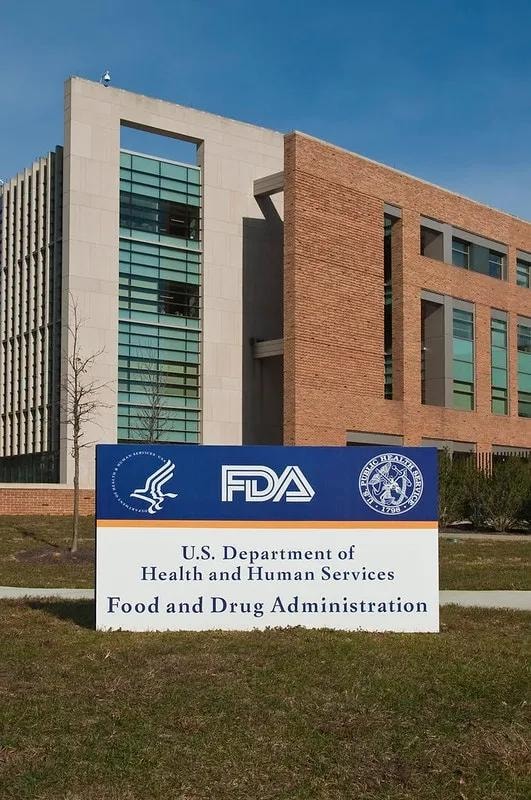
You have likely heard commercials where a product is described as being "FDA cleared." But what does that actually mean? The Food and Drug Administration (FDA) says, "…you can trust the foods you eat and the medicines you take, thanks to the U.S. Food and Drug Administration."
So when the public hears or sees that something is "FDA cleared," it implies a level of scrutiny and approval that may not be accurate. The term can be misleading — and potentially harmful — for several reasons.
The 510(k) Clearance Process
The FDA's clearance process, known as 510(k) clearance, primarily ensures that a new medical device is "substantially equivalent" to a device already on the market, rather than thoroughly evaluating its safety and efficacy. This means that a device can be cleared based on comparisons to existing products, without extensive clinical testing.
A False Sense of Security
The term "FDA cleared" can create a false sense of security among consumers. People may assume that the FDA has rigorously tested and approved the device for their specific use, which is not always the case. This can lead to the use of devices that have not been adequately evaluated for safety, potentially resulting in harm.
How Manufacturers Exploit the Term
The misuse of the term can be exploited by manufacturers to market their products more effectively. By using "FDA cleared" in their advertising, companies can imply a higher level of endorsement than what actually exists — misleading consumers into believing that a product is safer or more effective than it truly is.
What the FDA Is Doing About It
The FDA has taken steps to address the misuse of the term, including issuing warnings to companies that falsely claim FDA clearance or approval. However, the persistence of this misleading language in marketing materials continues to pose a risk to public health. Consumers should always research and consult healthcare professionals before using any medical device, regardless of its labeling.
Contact Cohen Hirsch LP
If you believe a drug or medical device has caused you harm, reach out to the trusted and experienced law firm Cohen Hirsch, LP for a free consultation. Contact us today or visit www.cohenhirsch.com.
Explore Topics
Written by
Cohen Hirsch LP
Cohen Hirsch LP - a women-led mass tort law firm with offices in Dallas and Atlanta. represents individuals harmed by defective drugs and medical devices, or sexual assaults.
Disclaimer: This post is for informational purposes only and does not constitute legal advice. Every case is unique, and outcomes depend on individual facts and circumstances. Contact our office directly to discuss your specific situation with a member of our legal team.


