

Hair Relaxer & Straightener Cancer Lawsuits
Chemical hair relaxers and straighteners have been linked to uterine cancer and other serious conditions — disproportionately harming Black women. We are pursuing claims against the manufacturers.
The Link Between Hair Relaxers and Uterine Cancer
A landmark study published in the Journal of the National Cancer Institute found that women who frequently used chemical hair relaxers were more than twice as likely to develop uterine cancer compared to women who did not use these products. The study, which followed over 33,000 women, identified a clear dose-response relationship — the more frequently a woman used relaxers, the higher her risk.
These products contain endocrine-disrupting chemicals including phthalates, parabens, cyclosiloxanes, and formaldehyde-releasing agents. Because hair relaxers are applied directly to the scalp — where absorption into the bloodstream is high — users are exposed to these chemicals at levels far exceeding what is typically encountered through other consumer products. African American women, who use these products at significantly higher rates and from a younger age, bear a disproportionate share of the harm.
Health Conditions Linked to Hair Relaxer Use
Unfortunately, not all of these health conditions meet current requirements to be included in a lawsuit.
Uterine Cancer
The most extensively studied harm. Women who used hair relaxers frequently were found to have more than double the risk of uterine cancer compared to non-users, according to the NIH-funded Sister Study.
Ovarian Cancer
Research has identified associations between chemical hair relaxer use and elevated rates of ovarian cancer, including hormone receptor-positive subtypes linked to endocrine-disrupting chemical exposure.
Breast Cancer
Phthalates and parabens found in hair relaxers are known endocrine disruptors that can mimic estrogen, and studies have found associations with estrogen receptor-positive breast cancer.
Uterine Fibroids
Studies have found higher rates of uterine fibroids — non-cancerous tumors that can cause significant pain, heavy bleeding, and fertility problems — among women who regularly use hair relaxers.
Endometriosis
Endocrine-disrupting chemicals in relaxers have been associated with endometriosis, a painful condition in which tissue similar to the uterine lining grows outside the uterus.
Early Puberty
Exposure to hormone-disrupting chemicals in hair products during childhood has been linked to earlier onset of puberty in girls, which itself is a risk factor for certain cancers later in life.
Who Is Being Sued?
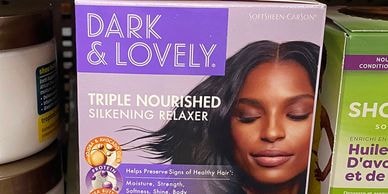
Lawsuits have been filed against the manufacturers and distributors of widely used hair relaxer brands, including L'Oréal, Revlon, Strength of Nature (makers of Dark & Lovely), Namaste Laboratories (makers of Organic Root Stimulator), and others. Plaintiffs allege that these companies knew or should have known about the cancer risks associated with their products and failed to warn consumers.
A federal multidistrict litigation (MDL) has been established in the Northern District of Illinois to consolidate hair relaxer cancer cases from across the country. Our attorneys are actively filing claims on behalf of affected women and can advise you on your eligibility.
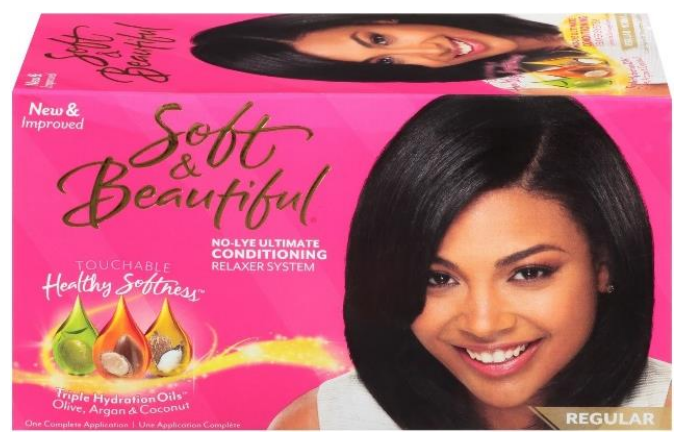
Who May Have a Claim?
Frequent or Long-Term Users
Women who used chemical hair relaxers or straighteners regularly — particularly those who began use in childhood or adolescence — and have been diagnosed with uterine cancer, ovarian cancer, or other related conditions.
Recent Diagnoses
Women diagnosed with uterine or ovarian cancer within the past several years who have a history of hair relaxer use. Statutes of limitations vary by state, so it is important to act promptly.
Family Members of Deceased Victims
Surviving family members may be able to bring wrongful death claims on behalf of loved ones who died from uterine or ovarian cancer linked to hair relaxer use.
Free, Confidential Consultation
If you or a loved one regularly used chemical hair relaxers and have been diagnosed with uterine cancer, ovarian cancer, or another related condition, you may have a legal claim. Contact us today for a free, confidential consultation. No fee unless we recover for you.
Contact Us Today