

Firefighter Foam (AFFF) Cancer Lawsuits
Firefighters and military personnel exposed to AFFF have developed serious cancers. We hold the manufacturers of this toxic foam accountable.
What Is AFFF and Why Is It Dangerous?
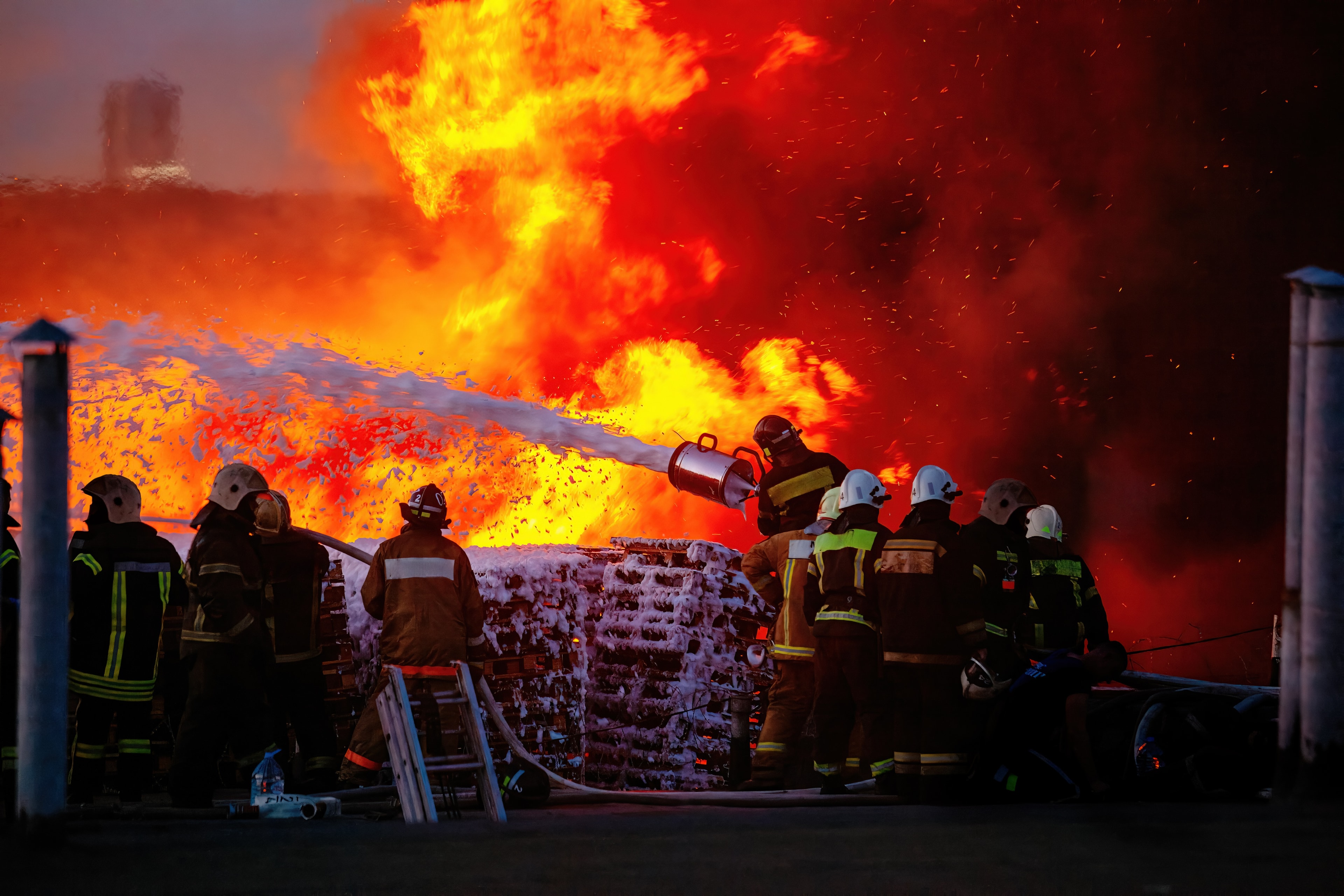
Aqueous Film Forming Foam — commonly known as AFFF or firefighter foam — was developed in the 1960s and has been widely used by military and civilian firefighters to extinguish jet fuel and petroleum-based fires. For decades, it was considered an essential tool for fire suppression at airports, military bases, and industrial facilities.
AFFF contains per- and polyfluoroalkyl substances (PFAS) — a class of synthetic chemicals sometimes called "forever chemicals" because they do not break down in the environment or the human body. Scientific research has established a strong link between PFAS exposure and multiple types of cancer. Firefighters and military personnel who regularly used or trained with AFFF have been diagnosed with cancer at alarming rates, and litigation against the manufacturers of these products is now well underway.
Cancers Linked to AFFF Exposure
Kidney Cancer
PFAS chemicals accumulate in the kidneys and have been strongly associated with renal cell carcinoma in studies of exposed firefighters and military personnel.
Bladder Cancer
Occupational PFAS exposure through AFFF use has been linked to elevated rates of bladder cancer, particularly among firefighters with long careers.
Testicular Cancer
Testicular cancer — one of the most PFAS-sensitive cancers — has been found at significantly elevated rates in young military personnel stationed at bases where AFFF was used in training exercises.
Thyroid Cancer
PFAS compounds interfere with thyroid hormone function and have been associated with increased thyroid cancer risk in populations with high occupational exposure.
Non-Hodgkin's Lymphoma
Multiple studies have found elevated rates of non-Hodgkin's lymphoma among firefighters, with PFAS exposure identified as a contributing factor.
Prostate Cancer
Firefighters have long been known to face elevated prostate cancer risk, and PFAS exposure from AFFF is among the occupational factors under active investigation.
Pancreatic Cancer
Emerging research has identified associations between PFAS exposure and pancreatic cancer, one of the most serious and difficult-to-treat malignancies.
Leukemia
Certain forms of leukemia, including chronic lymphocytic leukemia, have been observed at higher rates in firefighter populations with documented AFFF exposure.
Breast Cancer
PFAS chemicals are endocrine disruptors, and studies have found associations between PFAS exposure and breast cancer, including in female firefighters and military personnel.
Who May Have a Claim?
You may qualify for a claim if you are a current or former firefighter — municipal, military, or industrial — who regularly used or trained with AFFF and have been diagnosed with cancer. Claims are also available to military veterans who were stationed at bases where AFFF was used in training exercises, as well as civilian workers at airports, refineries, or other facilities where AFFF was routinely deployed.
Manufacturers including 3M, DuPont, Chemours, Tyco Fire Products, and others have faced mass tort litigation for knowingly selling AFFF products despite internal research showing the dangers of PFAS exposure. A major multidistrict litigation (MDL) has been consolidated in federal court in South Carolina. Our attorneys are actively investigating claims and can advise you on your eligibility and the applicable deadlines in your state.
Health Effects of AFFF Exposure
Exposure to Aqueous Film-Forming Foam (AFFF) can have both immediate and long-term health effects:
Immediate Symptoms of AFFF Exposure
- Respiratory Distress: Individuals exposed to AFFF may experience coughing, wheezing, shortness of breath, and chest tightness due to inhalation of the foam or its fumes.
- Skin Irritation: Direct contact with AFFF can lead to skin rashes and irritation.
Short-Term Effects
- Gastrointestinal Discomfort: Nausea, vomiting, and diarrhea can occur if AFFF is ingested.
- Eye Irritation: Redness, itching, or discomfort in the eyes may result from exposure.
Long-Term Effects
- Increased Cancer Risk: AFFF exposure has been linked to an elevated risk of certain cancers, including kidney, testicular, and bladder cancer.
- Liver Damage: Prolonged exposure to AFFF may harm the liver.
- Thyroid Problems: Some studies suggest a connection between AFFF exposure and thyroid dysfunction.
- High Cholesterol: Elevated cholesterol levels have been observed in individuals exposed to AFFF.
- Immune System Changes: AFFF chemicals can impact the immune system.
- Fertility Issues: Although less well-established, there are concerns about fertility problems related to AFFF exposure.
Free, Confidential Consultation
If you or a loved one worked as a firefighter or served at a military base where AFFF was used and have been diagnosed with cancer, contact us today. Our attorneys will review your case at no cost. There is no fee unless we recover compensation on your behalf.
Contact Us Today